Debunking Common Lawn Care Myths: What Really Works


Understanding Lawn Care Myths
Maintaining a lush, green lawn is a goal for many homeowners, but there's a lot of misinformation out there. Misleading advice can often lead to wasted effort and expenses. Let's uncover the truth behind some common lawn care myths to help you achieve that perfect lawn.

Myth 1: Watering Daily is Essential
One of the most prevalent myths is that lawns need daily watering. In reality, frequent, shallow watering can lead to weak roots and unhealthy grass. Instead, aim for deep and infrequent watering. This encourages roots to grow deeper, making your lawn more drought-resistant.
Try watering your lawn once or twice a week, providing about one inch of water each time. This method promotes a stronger, more resilient lawn.
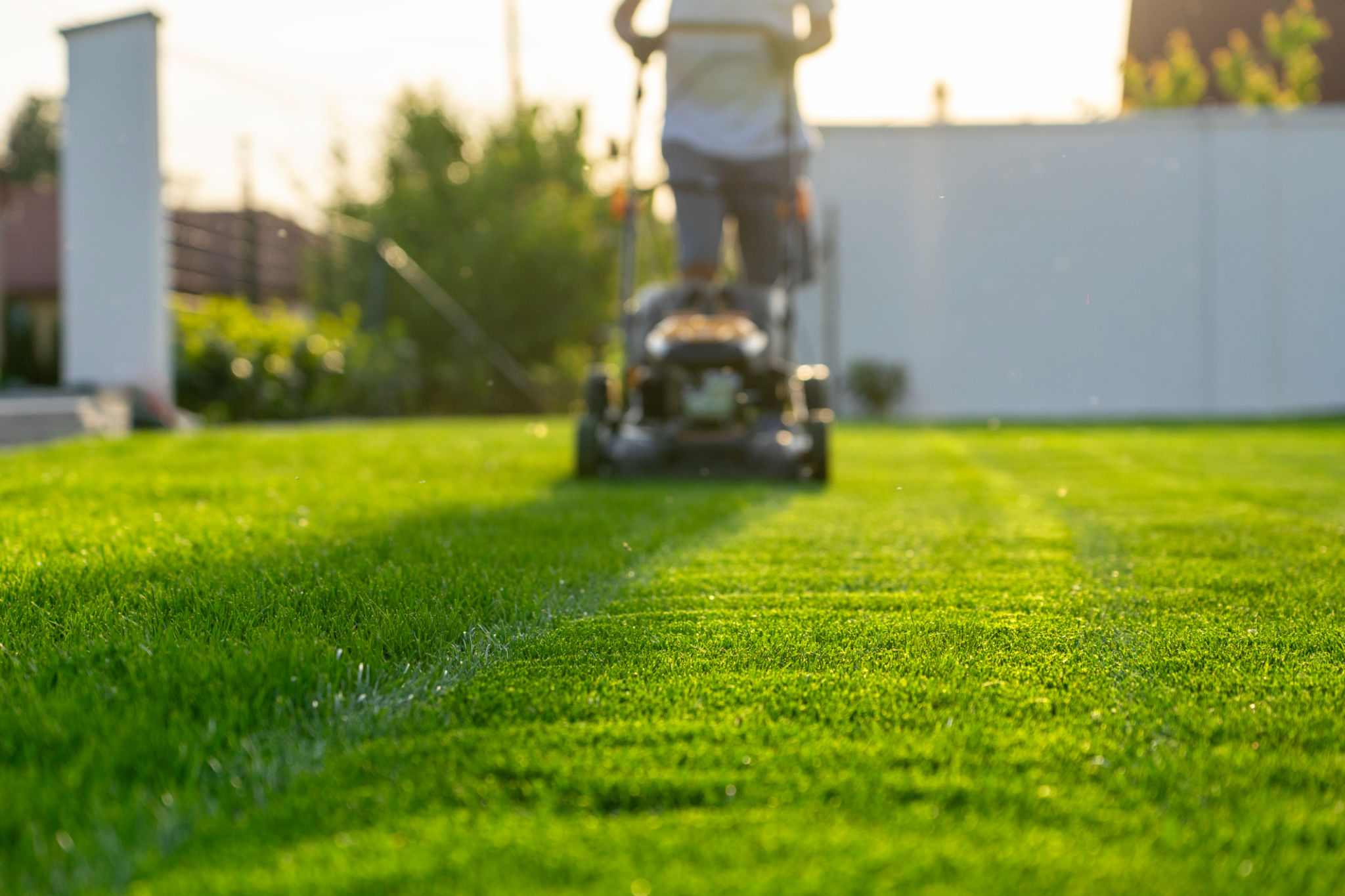
Myth 2: Cutting Grass Short Saves Time
It might seem efficient to mow your lawn very short to extend the time between mowing sessions. However, this can stress the grass, making it more susceptible to pests and diseases. It's best to follow the "one-third rule", where you never cut more than one-third of the grass blade at a time. This keeps your lawn healthy and vibrant.
Myth 3: Fertilizer is Only for Spring
Many believe that fertilizing is only necessary in the spring, but a well-timed fall fertilization can be just as crucial. Applying fertilizer in the fall helps grass store nutrients for the winter and promotes strong growth in the spring. Consider a balanced fertilization schedule throughout the year for optimal results.
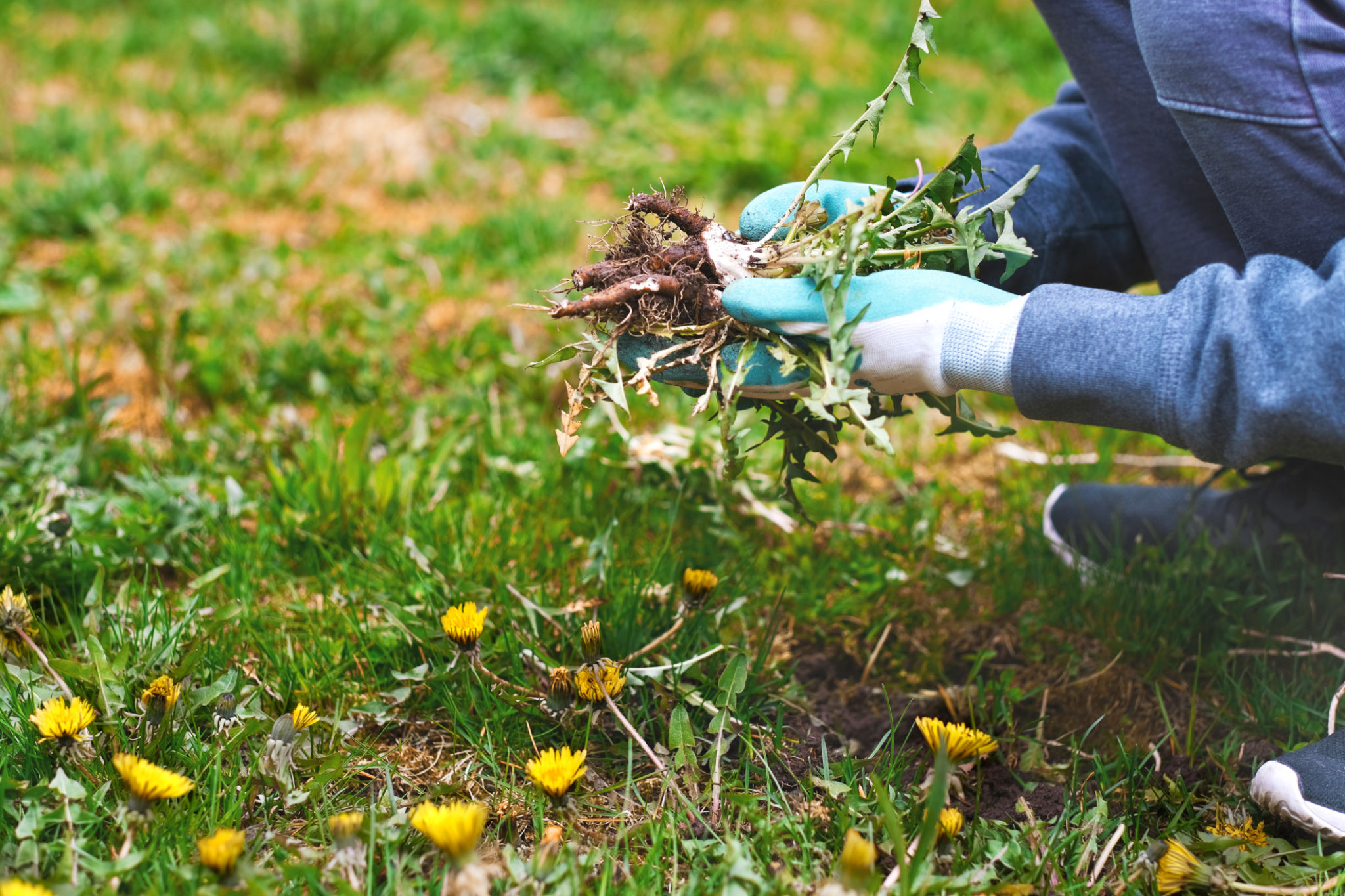
Myth 4: All Weeds Must Be Removed
While it's true that some weeds can be harmful, not all are detrimental to your lawn. Some weeds can actually improve soil quality and provide habitats for beneficial insects. Instead of aiming for a weed-free lawn, focus on managing weeds to a tolerable level and maintaining overall lawn health.
Myth 5: Grass Clippings Cause Thatch
There's a common misconception that leaving grass clippings on your lawn will lead to thatch buildup. In fact, clippings can decompose quickly and return valuable nutrients to the soil. Thatch is more likely to result from over-fertilization and compacted soil. Regular aeration can help manage thatch levels effectively.
By understanding these myths and focusing on proven lawn care practices, you can enjoy a healthy, beautiful lawn all year round. Keep learning and adapting your approach based on what truly works, and your lawn will thank you for it.