Navigating Ohio's Lawn Care Regulations with Ease


Ohio's lush landscapes and vibrant lawns are a source of pride for many homeowners and businesses. However, maintaining these green spaces requires more than just a keen eye for gardening. Understanding and adhering to Ohio's lawn care regulations is crucial for anyone looking to keep their property in top shape while staying compliant with state laws.

Understanding Ohio's Fertilizer Regulations
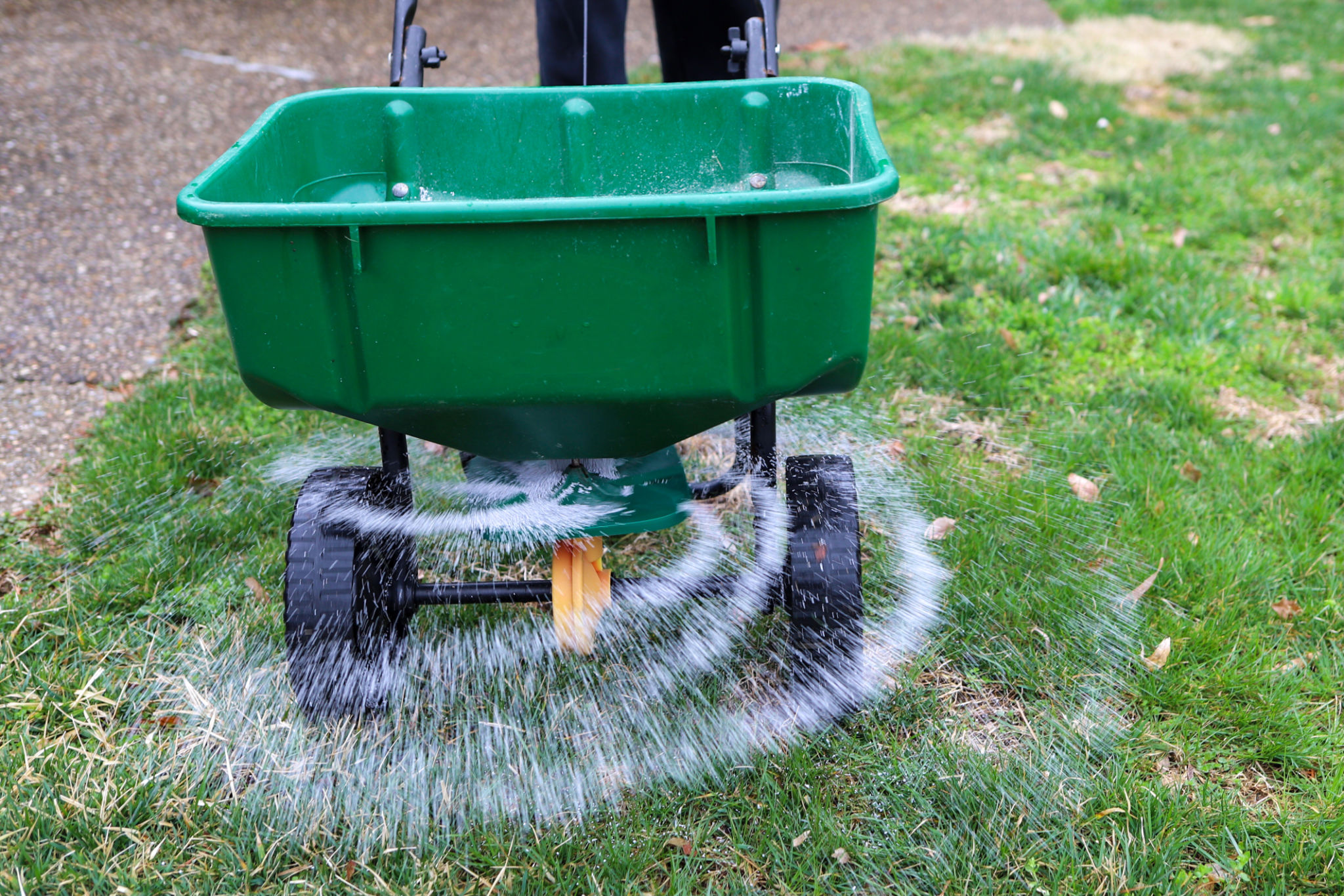
One of the most critical aspects of lawn care is the use of fertilizers. In Ohio, regulations surrounding fertilizer application are designed to minimize environmental impact. It is important to note that fertilizers containing phosphorus are restricted unless a soil test indicates a need. This measure helps prevent runoff that can harm local waterways.
For those applying fertilizer, it's essential to keep the material off impervious surfaces like sidewalks and driveways. If any fertilizer lands on these surfaces, it must be cleaned up promptly to prevent it from washing into storm drains.
Timing Your Fertilizer Application
Timing is another critical factor in Ohio's fertilizer regulations. Fertilizers should not be applied when the ground is frozen or saturated to prevent runoff. The optimal times for application are in the spring and fall when the grass is actively growing.
Pesticide Application and Safety
Pesticides play a crucial role in maintaining the health of Ohio's lawns, but their use is heavily regulated to ensure safety. Anyone applying pesticides commercially must be licensed by the Ohio Department of Agriculture. This requirement ensures that individuals have the necessary knowledge to apply these chemicals safely and effectively.
It's also important to adhere to all label instructions and safety precautions. Proper storage and disposal of pesticides are vital to prevent contamination and potential harm to the environment.
Integrated Pest Management
Ohio encourages the use of Integrated Pest Management (IPM) practices. IPM focuses on long-term prevention and suppression of pest problems through a combination of techniques such as biological control, habitat manipulation, and use of resistant varieties. This approach minimizes the reliance on chemical pesticides and promotes a healthier lawn ecosystem.

Watering Restrictions and Best Practices
Watering is another key aspect of lawn care that is subject to regulation in Ohio. During periods of drought or water shortage, local authorities may impose restrictions on watering times and durations. To stay compliant, always check for any local advisories before watering your lawn.
Efficient watering practices not only help conserve water but also promote a healthier lawn. Watering early in the morning or late in the evening reduces evaporation, ensuring that more moisture reaches the roots.
Smart Irrigation Systems
Investing in a smart irrigation system can help manage water use more effectively. These systems can adjust watering schedules based on weather conditions and soil moisture levels, ensuring optimal water usage.
By staying informed and adhering to Ohio's lawn care regulations, residents can enjoy beautiful, healthy lawns while contributing to environmental conservation. Understanding these rules not only helps in maintaining compliance but also promotes sustainable lawn care practices.